Detect Melanoma with a Skin Check at Hamilton Skin Clinic
Early detection of skin cancer is important, and regular skin checks can assist in identifying melanoma and other skin cancers at an earlier stage. At Hamilton Skin Clinic, we provide comprehensive skin checks to review unusual moles, spots, or changes in the skin. This supports timely referral and appropriate management when required.
Why Schedule a Skin Check?
Queensland has one of the highest rates of skin cancer globally, making regular skin checks highly recommended for all individuals, particularly those with frequent sun exposure or a family history of melanoma. Skin checks are valuable for detecting melanoma and other types of skin cancer early, when treatment options are most effective. Annual skin checks are advised, and more frequent checks may be appropriate for those with a personal history of skin cancer. At Hamilton Skin Clinic, we use dermoscopy to identify early signs, provide education on skin health, and discuss preventive strategies tailored to individual needs.
What to Expect During Your Skin Check
Our skin checks include
Full-Body Skin Examination
Qualified practitioners inspect the entire skin surface for unusual spots, moles, or lesions.
Detailed Analysis
Advanced dermatoscopy is used to examine suspicious moles and spots in detail to assess potential risks.
Patient Education
Guidance is provided on how to perform at‑home skin checks, including signs to monitor and steps to take if changes are noticed.
Personalised Action Plan
If concerns are identified, a personalised follow‑up plan is created. This may include referral to a specialist for further assessment or treatment.
Key Warning Signs of Skin Cancer
Detecting melanoma and other skin cancers early can be critical. Signs to watch for, based on national guidelines, include
- Moles or spots that change in size, shape, or colour.
- Asymmetrical moles or spots with irregular shape
- Border irregularity, such as blurred or ragged edges
- Multiple colours or shades within a mole
- Lesions larger than 6mm across
Regular professional skin checks and self‑exams are important for maintaining skin health. Hamilton Skin Clinic is committed to supporting proactive skin health management.
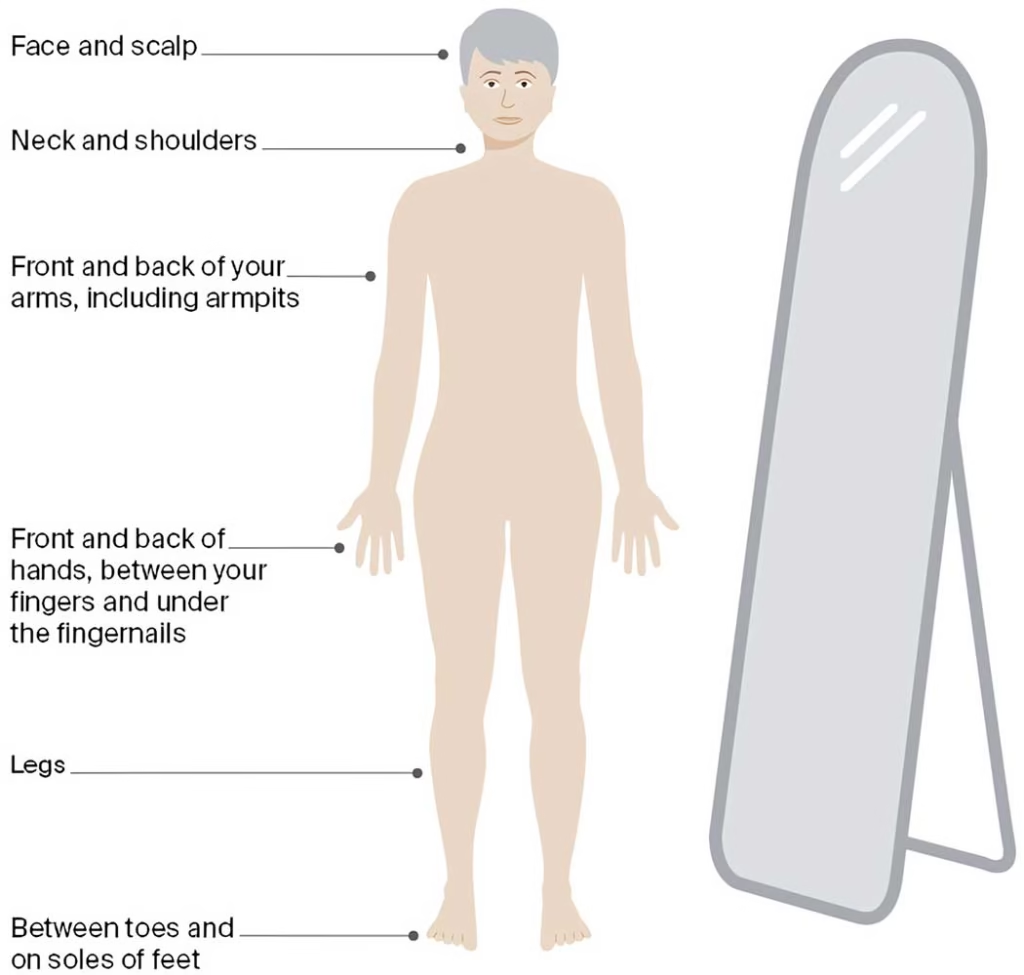
How to Check Your Skin
- Examine your entire body carefully, as skin cancers can develop in areas not commonly exposed to the sun, such as the soles of your feet, between your fingers and toes, and under your nails.
- Completely undress and ensure you are in good lighting.
- Use a mirror to view hard‑to‑see areas like your back and scalp, or ask a family member, partner, or friend to assist.
What to Look For
When checking your skin, monitor for
- New Spots or Moles: Any new growths on your skin.
- Changes in Existing Moles: Alterations in colour, shape, or size.
- Asymmetry: One half of the spot does not match the other.
- Border Irregularities: Edges that appear uneven or blurred.
- Colour Variations: Multiple colours such as brown, black, red, white, or blue.
- Diameter: Spots larger than 6mm or that continue to grow.
- Evolving: Any visible change over time, including itching or bleeding.
If you notice any of these signs, consult a healthcare professional. Regular checks help detect early changes that may indicate skin cancer.
Frequently Asked Questions
for Skin Check and Melanoma
Why should I have regular skin checks?
Regular skin checks assist in detecting melanoma and other skin cancers early, when treatment options are most effective
What happens during a skin check at Hamilton Skin Clinic?
A clinician will perform a full‑body examination, use dermoscopy to assess suspicious spots, and provide education on at‑home monitoring.
How do I know if a mole is suspicious?
Changes in size, shape, colour, or border irregularities may be concerning. A clinician can assess these features during a skin check.
How often should I schedule a skin check?
Annual checks are recommended for most people. More frequent checks may be advised if you have a personal or family history of skin cancer.
What happens if something suspicious is found?
If a lesion requires further assessment, you may be referred to a specialist for biopsy or treatment. A personalised follow‑up plan will be discussed.