Menopause Education and Referral

Menopause Fact Sheet
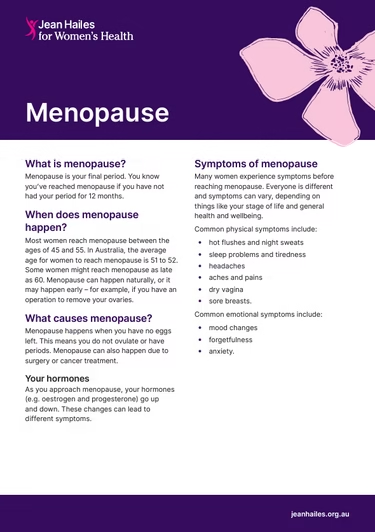
Menopause refers to the point when your periods stop. You are considered to have reached menopause once you have gone twelve months without a menstrual cycle.
Menopause Management
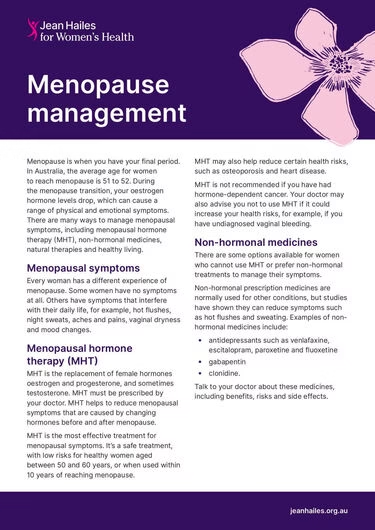
Menopause management for symptoms of perimenopause and menopause includes MHT and nonhormonal medicines.
Menopausal Hormone Therapy
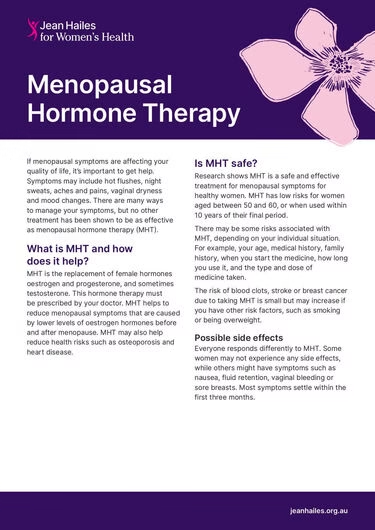
This document explains general information about hormone changes during menopause and how different options may be discussed with a qualified health professional.
Menopause Mind Health
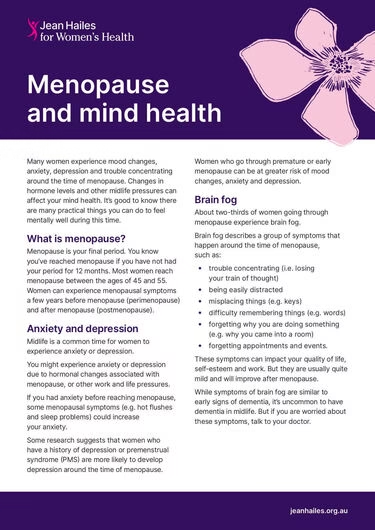
This resource outlines practical ways to support your general wellbeing during this time.
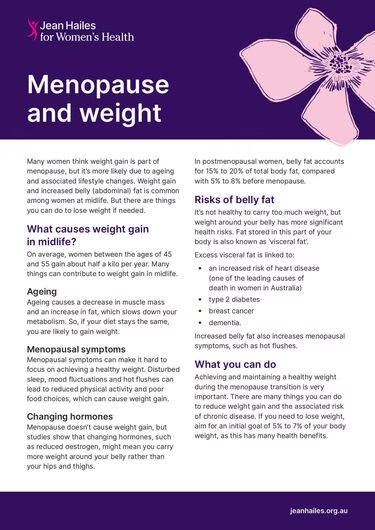
Menopause and Weight
This fact sheet discusses how weight changes can occur with age and lifestyle patterns, rather than menopause alone.
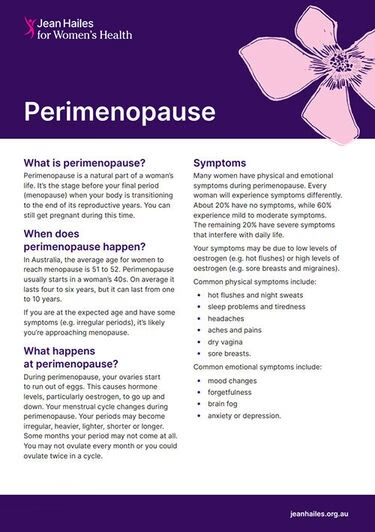
Perimenopause
Perimenopause is the transition before menopause when your cycles begin to change. Pregnancy can still occur during this time.
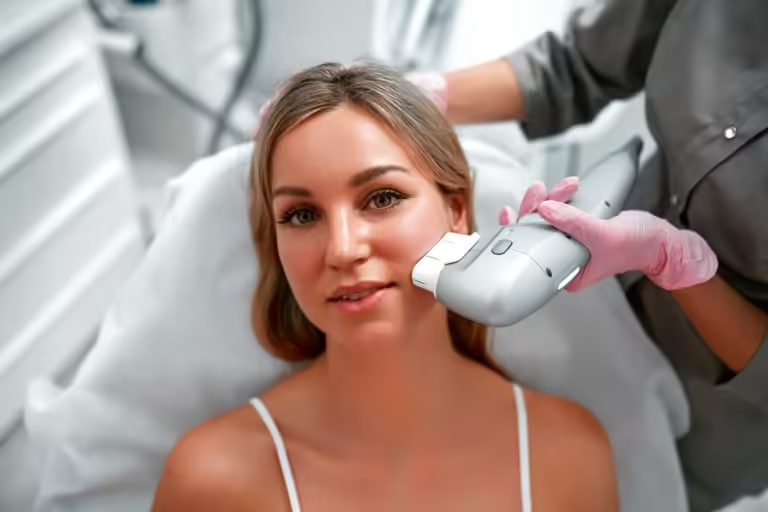
Menopausal Skin Support
Understanding Skin Changes During Menopause
Menopause is a natural transition, and shifts in hormone levels can influence how the skin looks and feels. Some women may notice dryness, sensitivity, changes in firmness, pigmentation, or variations in breakouts and redness. These changes are common as the body adjusts over time.
At Hamilton Skin Clinic, we offer education and primary health care to help you understand these changes and make informed decisions. Our medical team provides guidance on skin health and discusses suitable treatment options that align with your individual needs.
Common Causes of Menopausal Skin Changes
Hormonal Shift
Changes in oestrogen levels can influence how the skin feels, including dryness, changes in firmness, and variations in texture.
Skin Barrier Changes
The skin may feel more delicate or reactive, and it may not hold moisture as well as before.
Lower Natural Oil Levels
Oil production can decrease, which can lead to tightness or a lack of surface smoothness.
Collagen Variation
Natural collagen levels can shift during this time, and some women notice visible changes in skin structure.
Environmental Stress
Sun exposure and everyday pollutants may influence pigmentation and visible ageing during this stage of life.
Suggested Treatments


Frequently Asked Questions
What are the most common skin changes during menopause?
Some women experience dryness, sensitivity, uneven tone, or changes in firmness. Others may see variations in pigmentation, redness, or breakouts as hormones shift.
Can menopausal skin be supported without hormone-based options?
Yes. Non hormonal approaches like LED therapy, microneedling, chemical peels, and professional skincare can support hydration, texture, and general skin balance.
How long do menopausal skin changes last?
These changes can begin in perimenopause and continue for several years. With the right routine and guidance, many women maintain healthy skin throughout this period.
Which ingredients support menopausal skin?
Ingredients such as hyaluronic acid, ceramides, peptides, niacinamide, and vitamin C are commonly used to maintain hydration, support the skin barrier, and promote overall skin brightness.
When should I start menopausal skin treatments?
Many women begin support during perimenopause or once they notice changes. Early attention helps maintain moisture and general skin stability as the transition progresses.